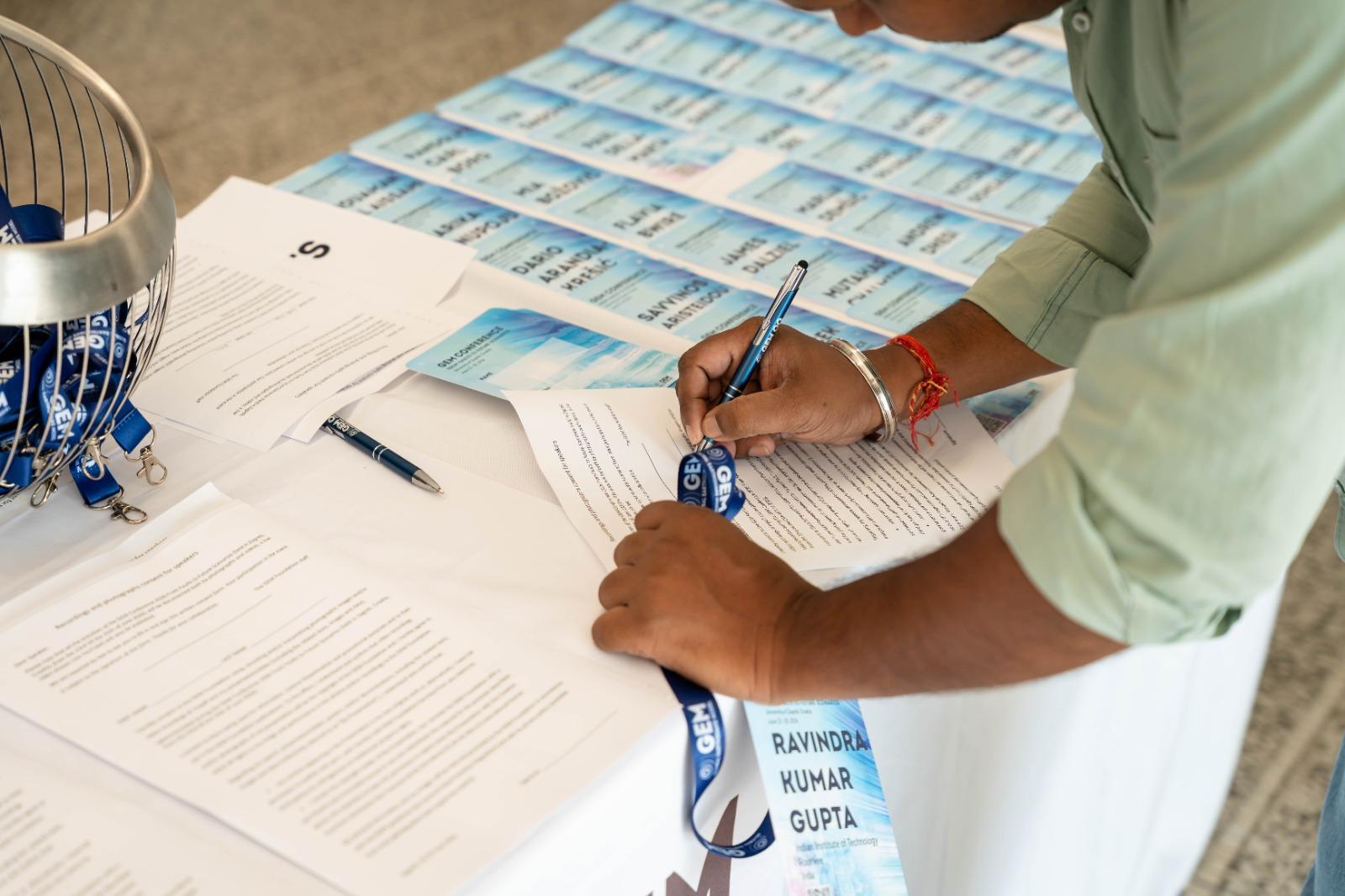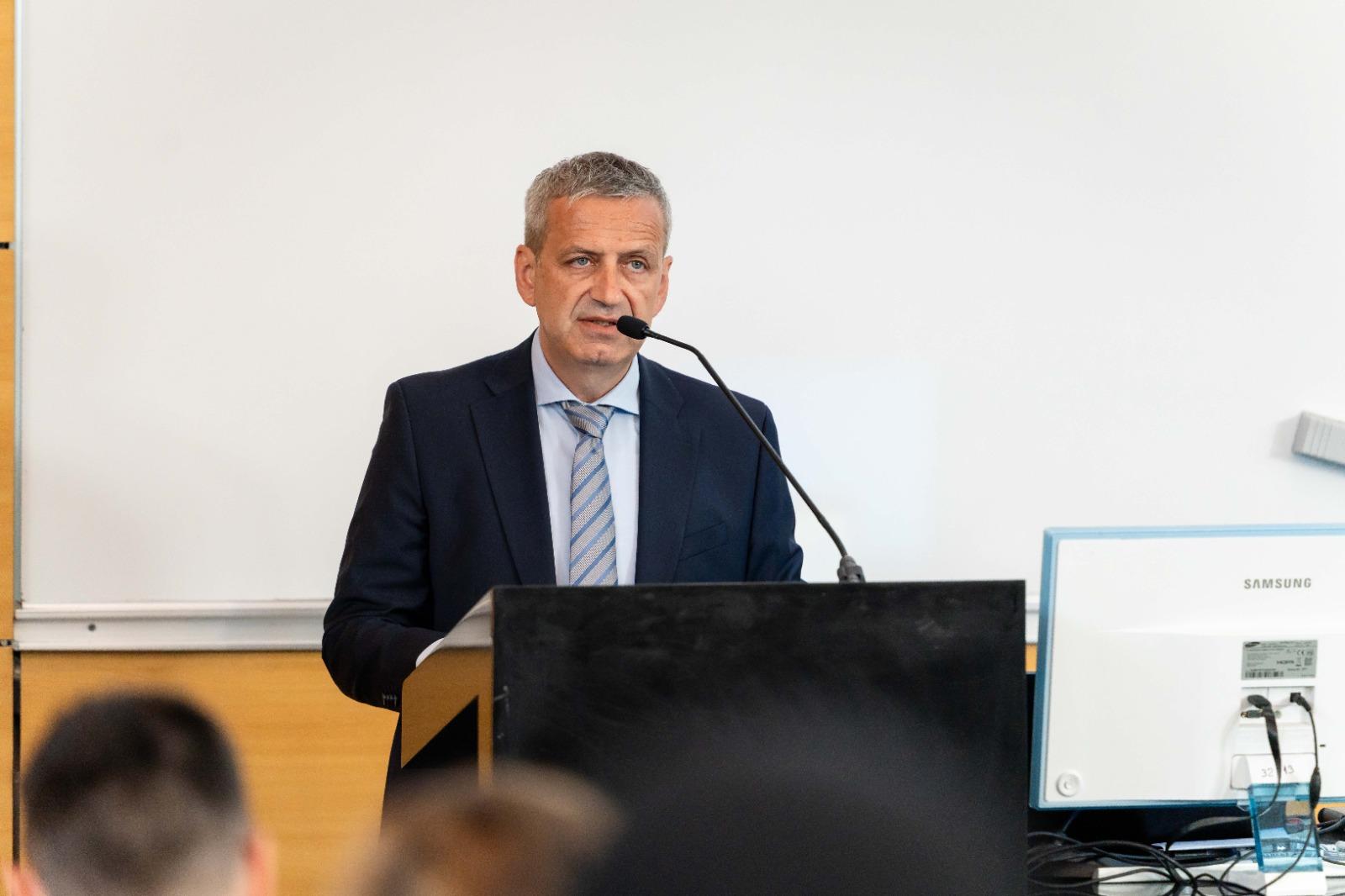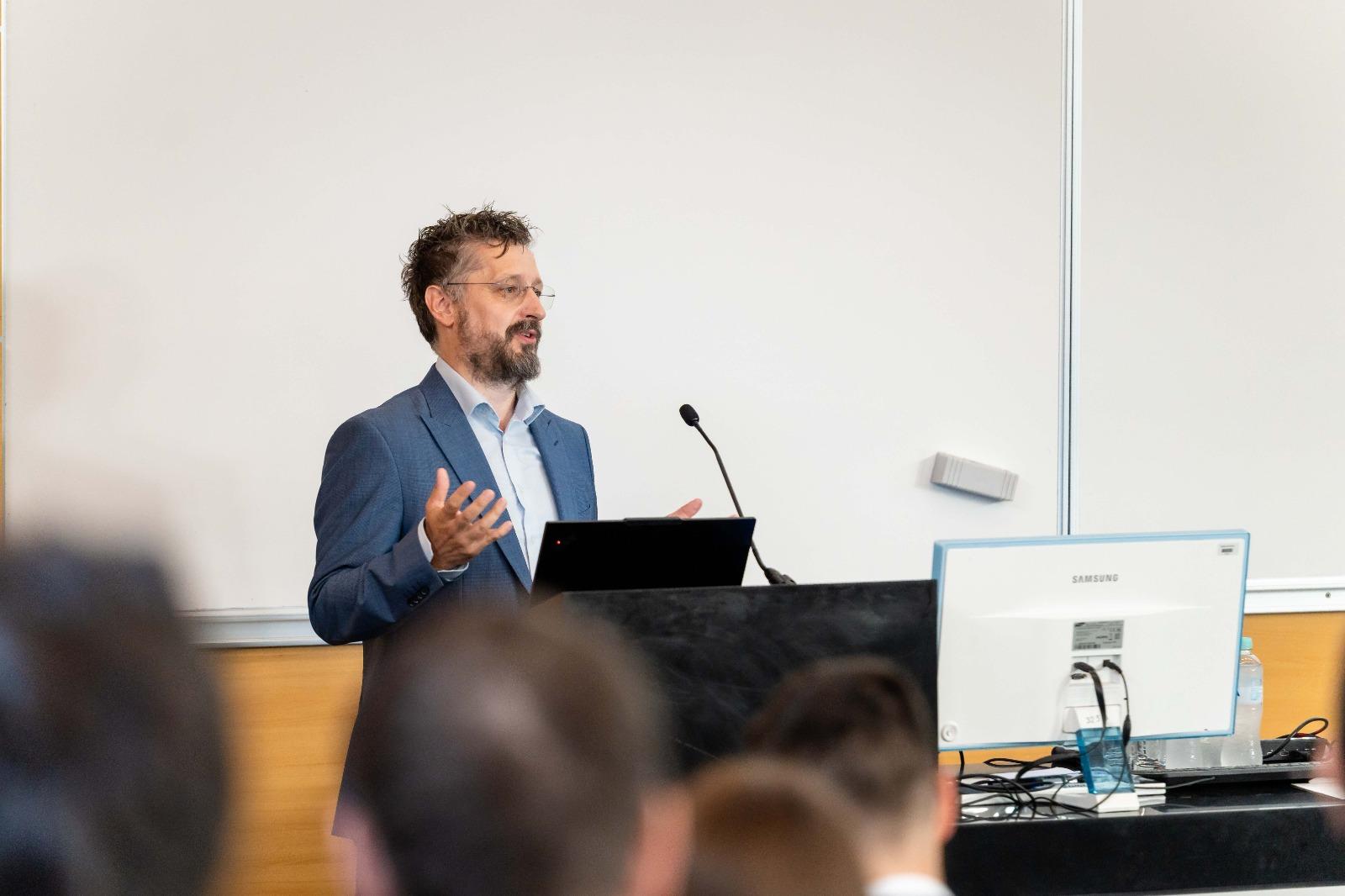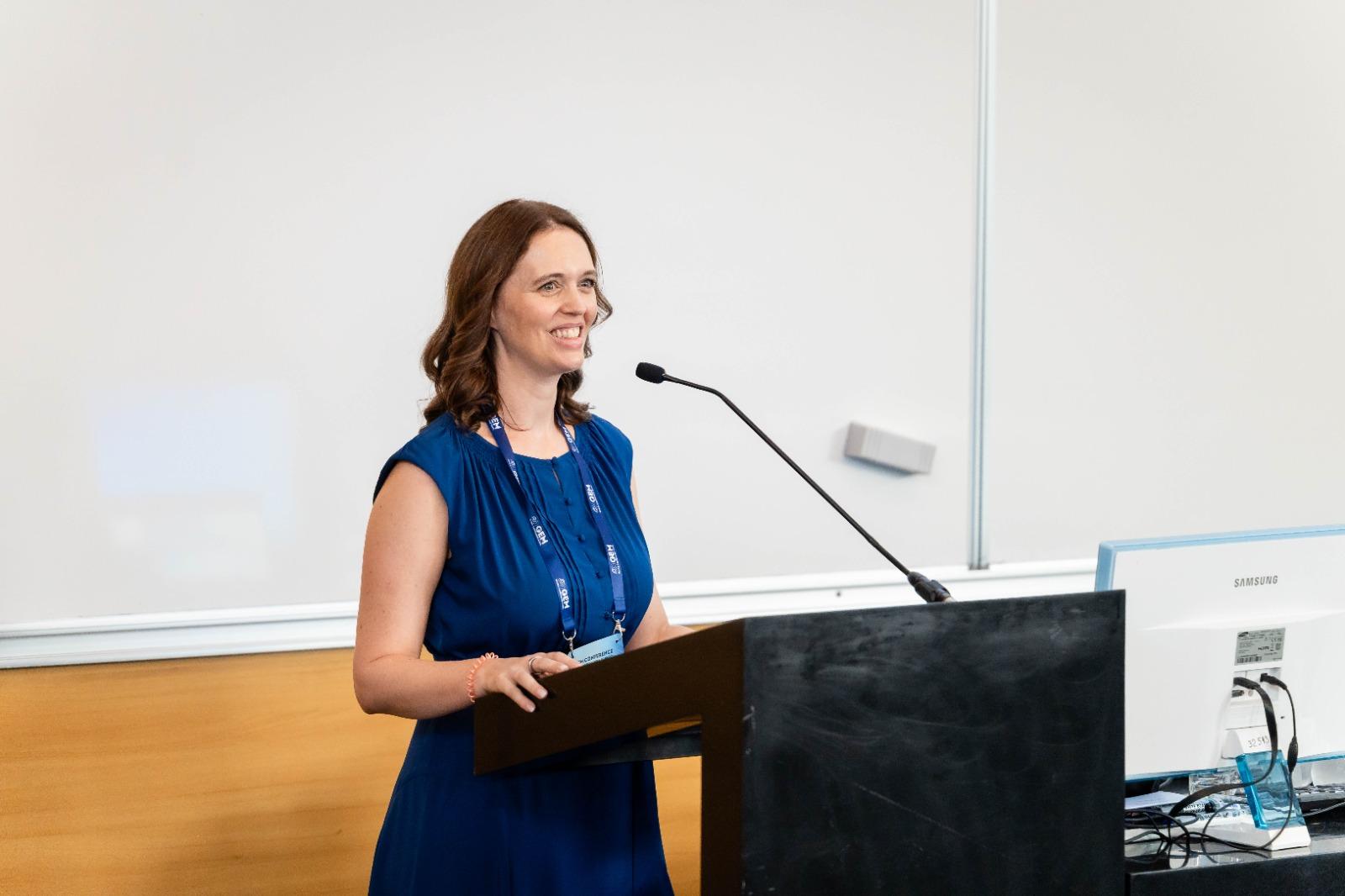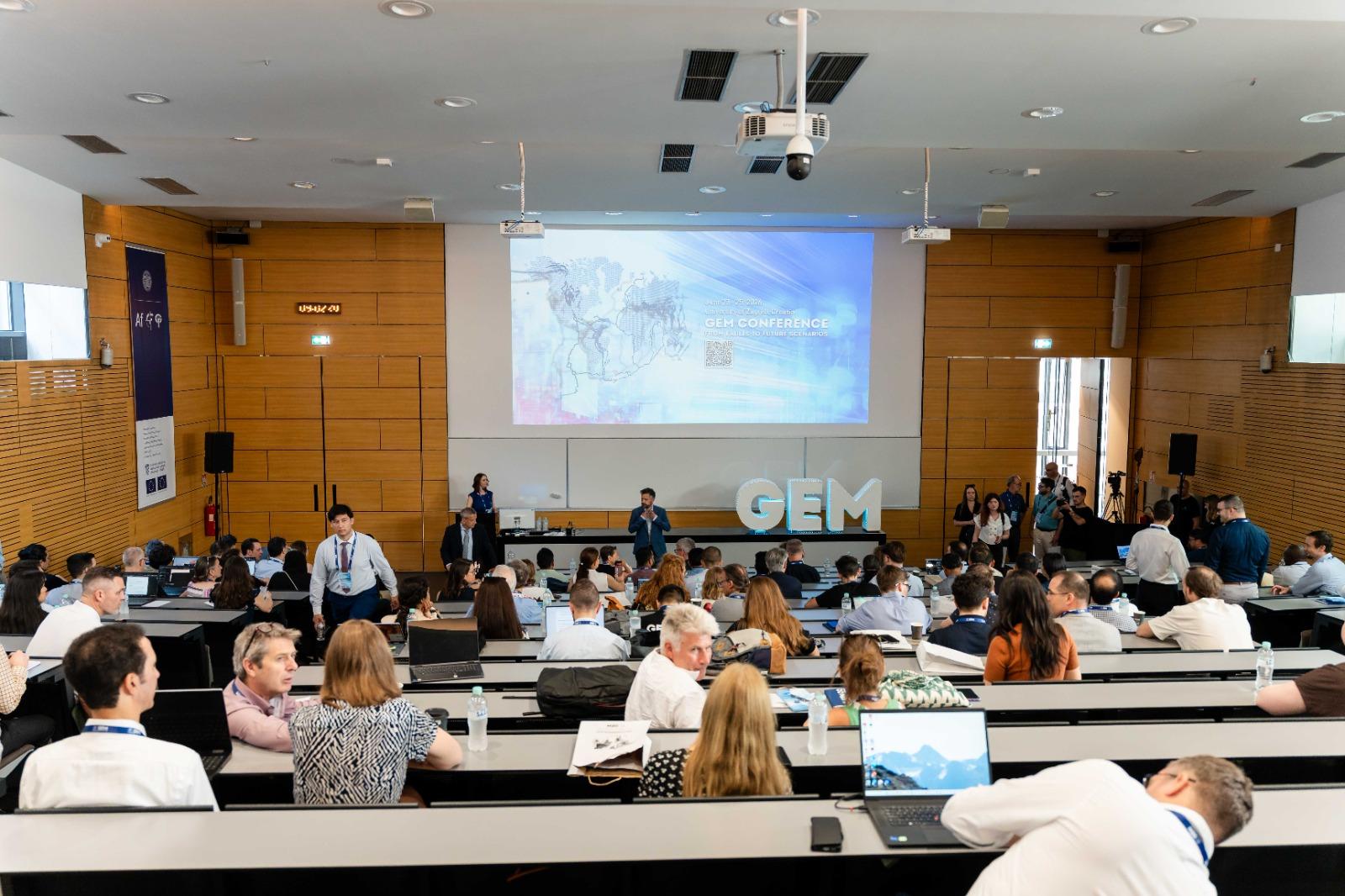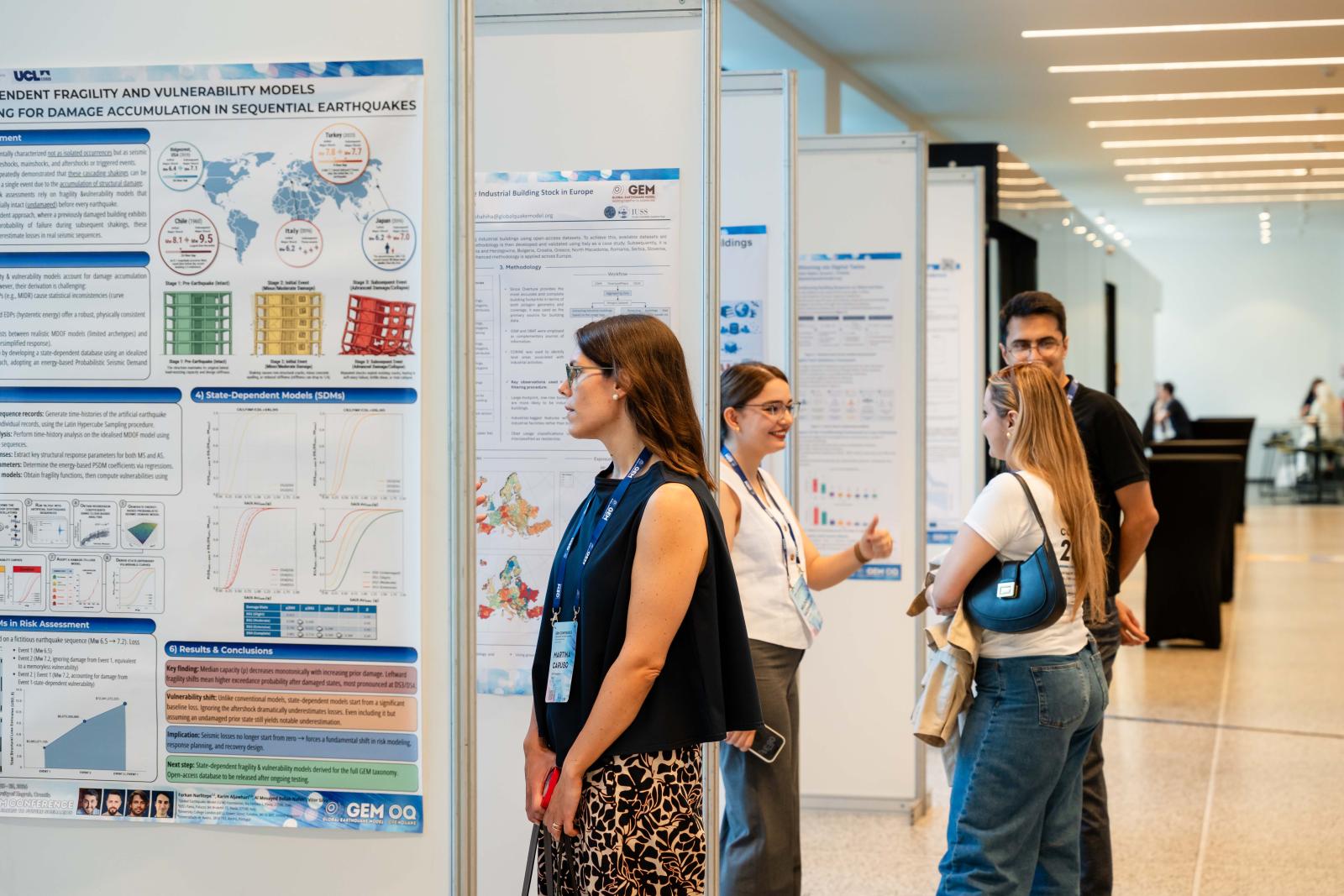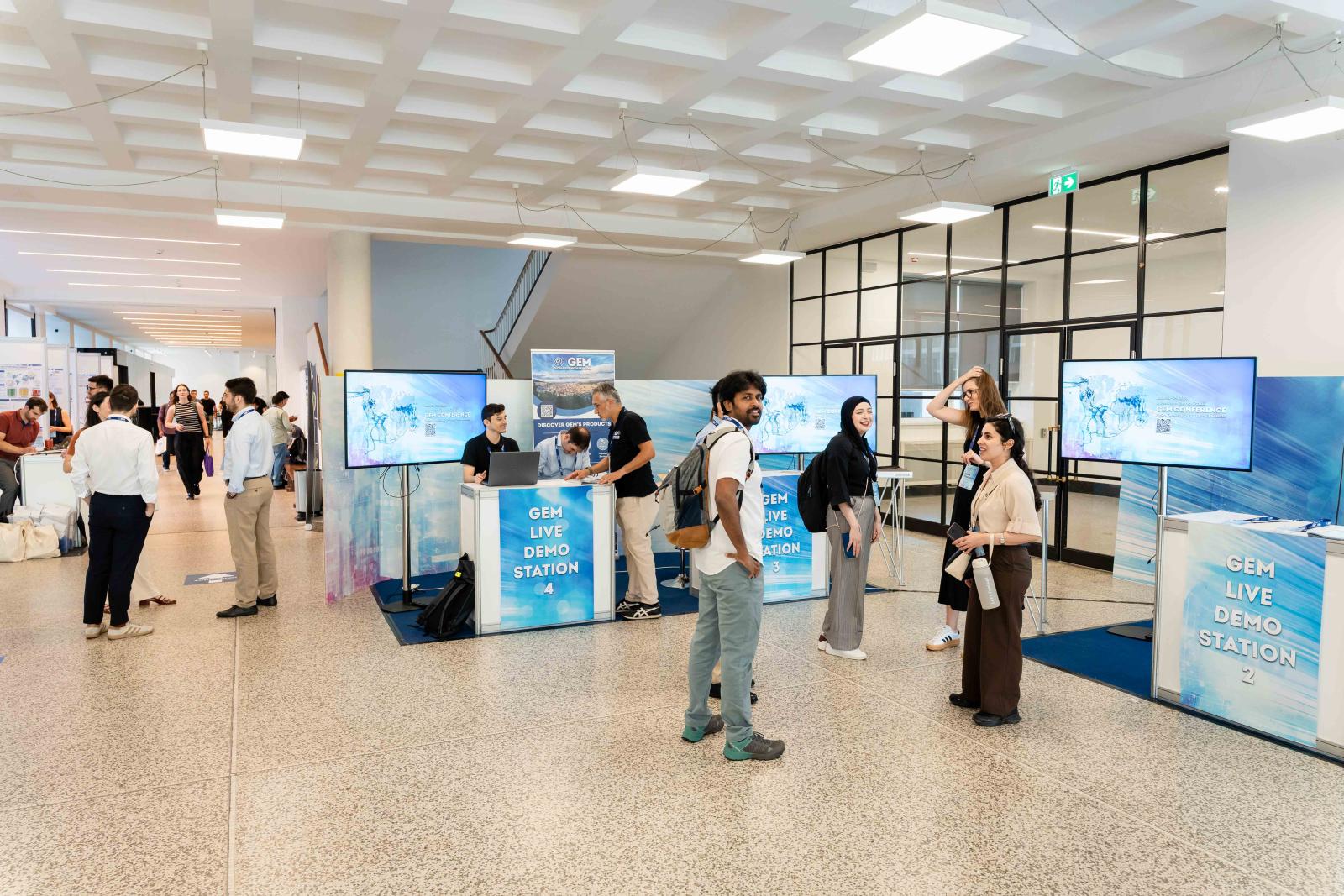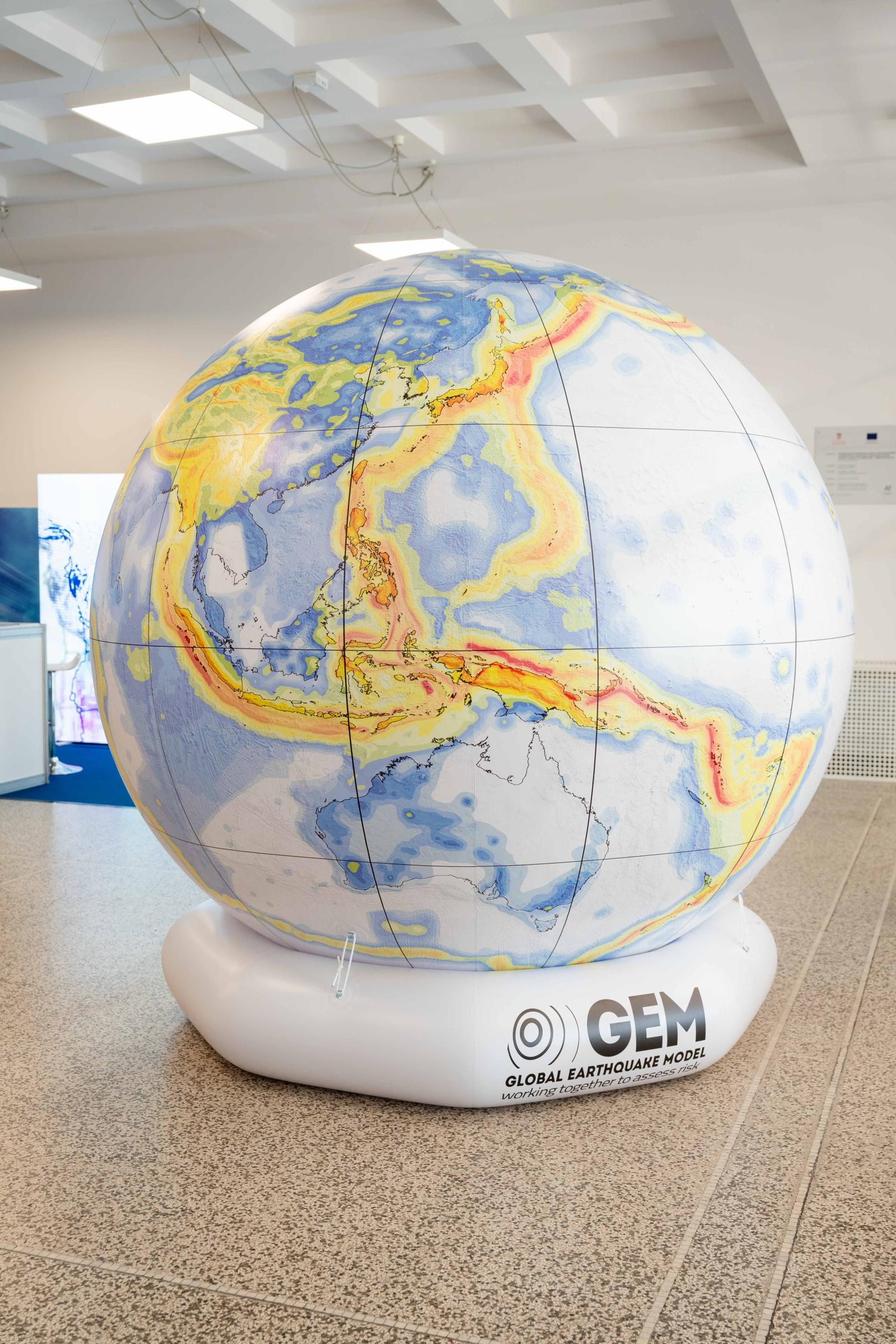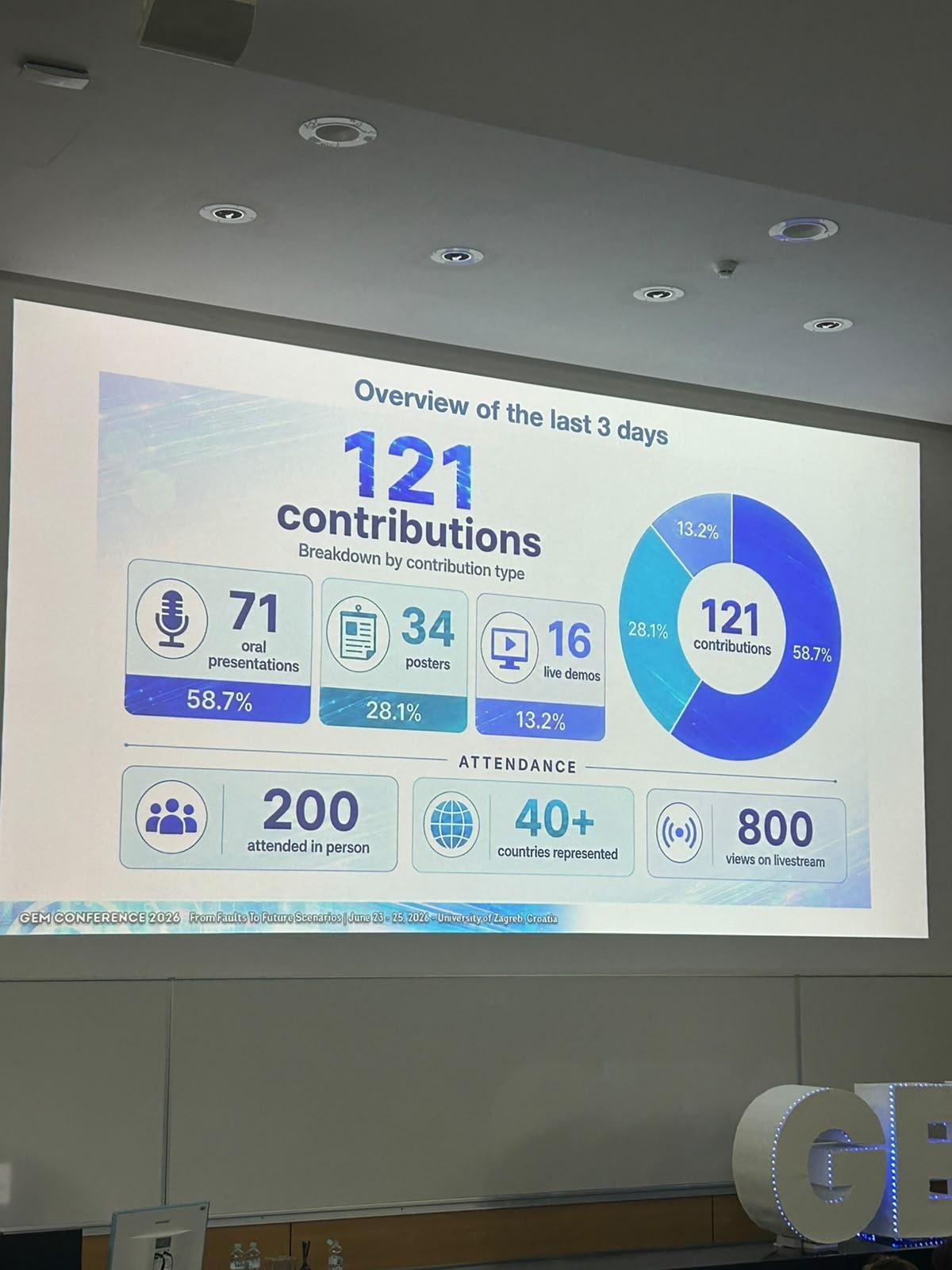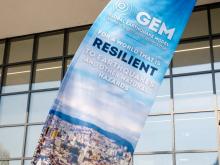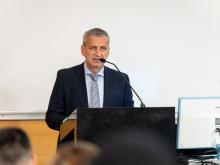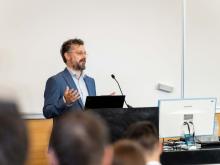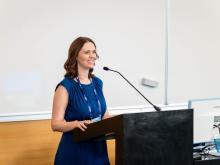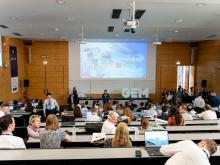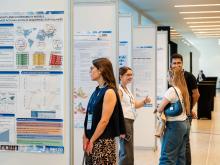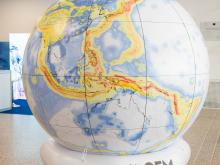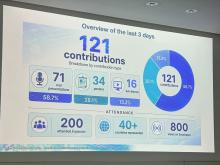



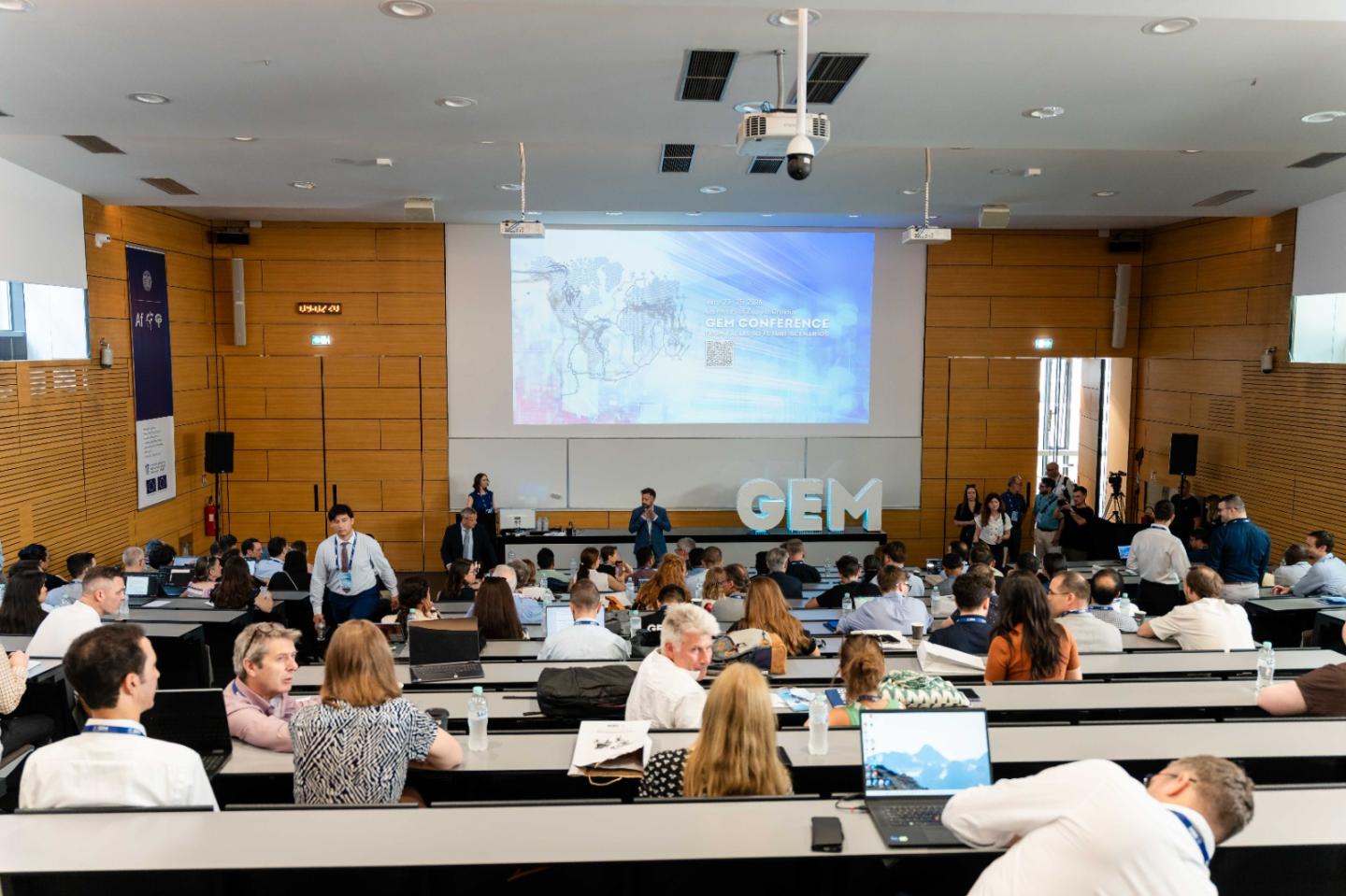
The GEM Conference 2026 opened at the University of Zagreb with registration and welcome remarks by Domagoj Damjanović (Dean of the Faculty of Civil Engineering, University of Zagreb), Josip Atalić (Croatian Centre for Earthquake Engineering), and Helen Crowley (GEM Foundation).
The first day featured the release of new global GEM analyses, including road network exposure to soil liquefaction, the carbon costs of earthquake damage and reconstruction, and projections of seismic risk up to 2065.
The second day focused on the application of earthquake risk science to decision-making, policy, and resilience planning. Discussions covered advances in exposure and vulnerability modelling, machine learning and Earth observation data, population displacement, and embodied carbon, as well as evolving risk over time. Case studies from Canada, Colombia, Nepal, and Uganda illustrated how models are translated into practice, from preparedness programmes to national risk assessments. Sessions on financial risk transfer highlighted the role of catastrophe models, parametric insurance, and analytics in supporting risk-informed decisions, while the National Seismic Hazard Modelling Workshop brought together international experts from Australia, Japan, the United States, Europe, and East Africa to discuss methodologies and collaboration in developing national hazard models.
The third and final day addressed scenarios and cascading hazards, as well as emergency response and post-event analysis. Key topics included advances in tsunami risk modelling (GTM and GTM THM26), physics-based ground motion simulations, loss modelling for mainshock–aftershock sequences, and uncertainty in seismic scenarios. The emergency response session highlighted recent earthquakes, including the Mw 6.9 event near Cebu, and presented new tools such as PAGER 2.0, improved mapping of ground deformation, and uncertainty-based tsunami exposure models. A keynote on GDACS emphasized advances and challenges in global earthquake impact estimation for rapid humanitarian response.
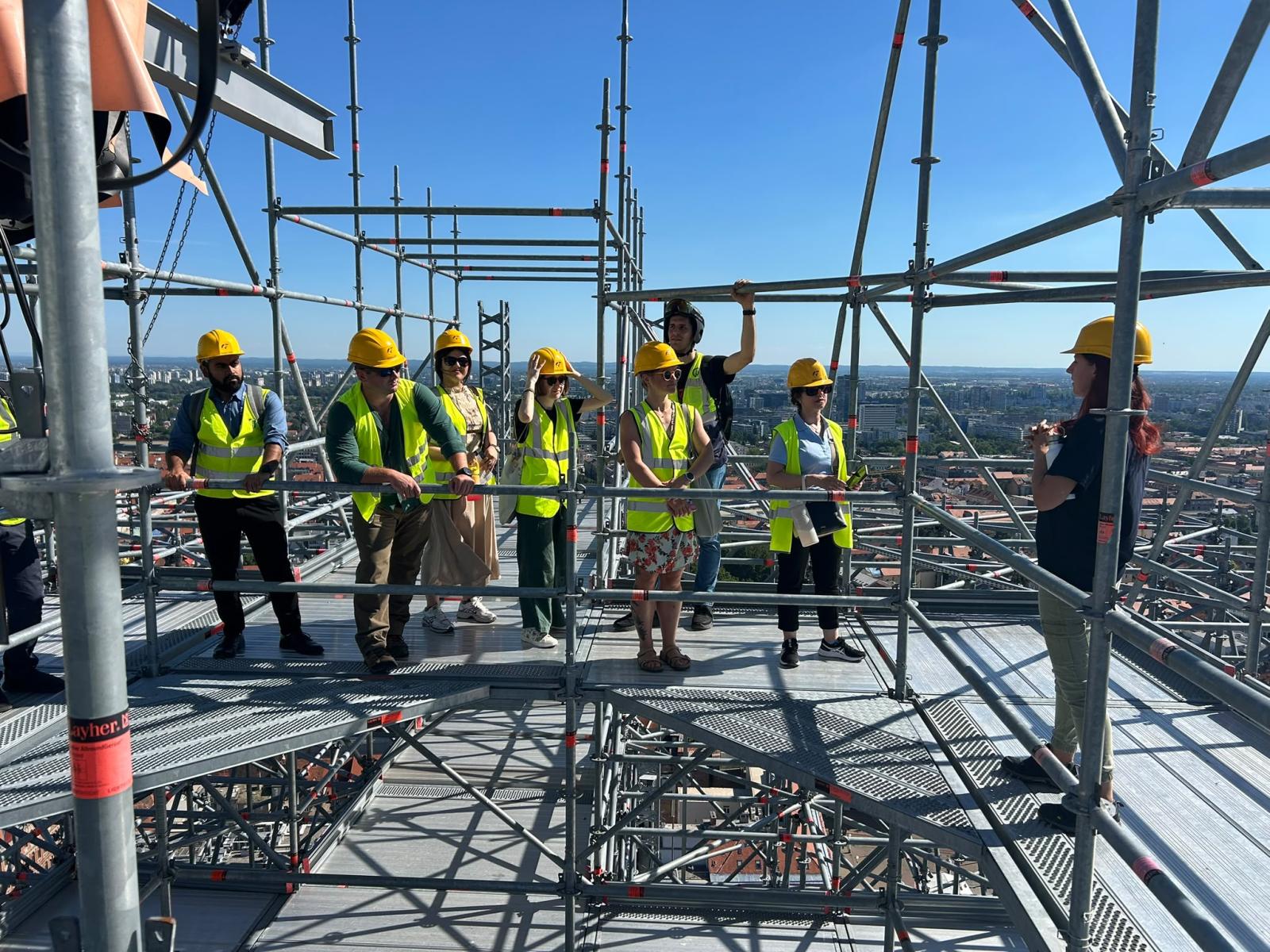
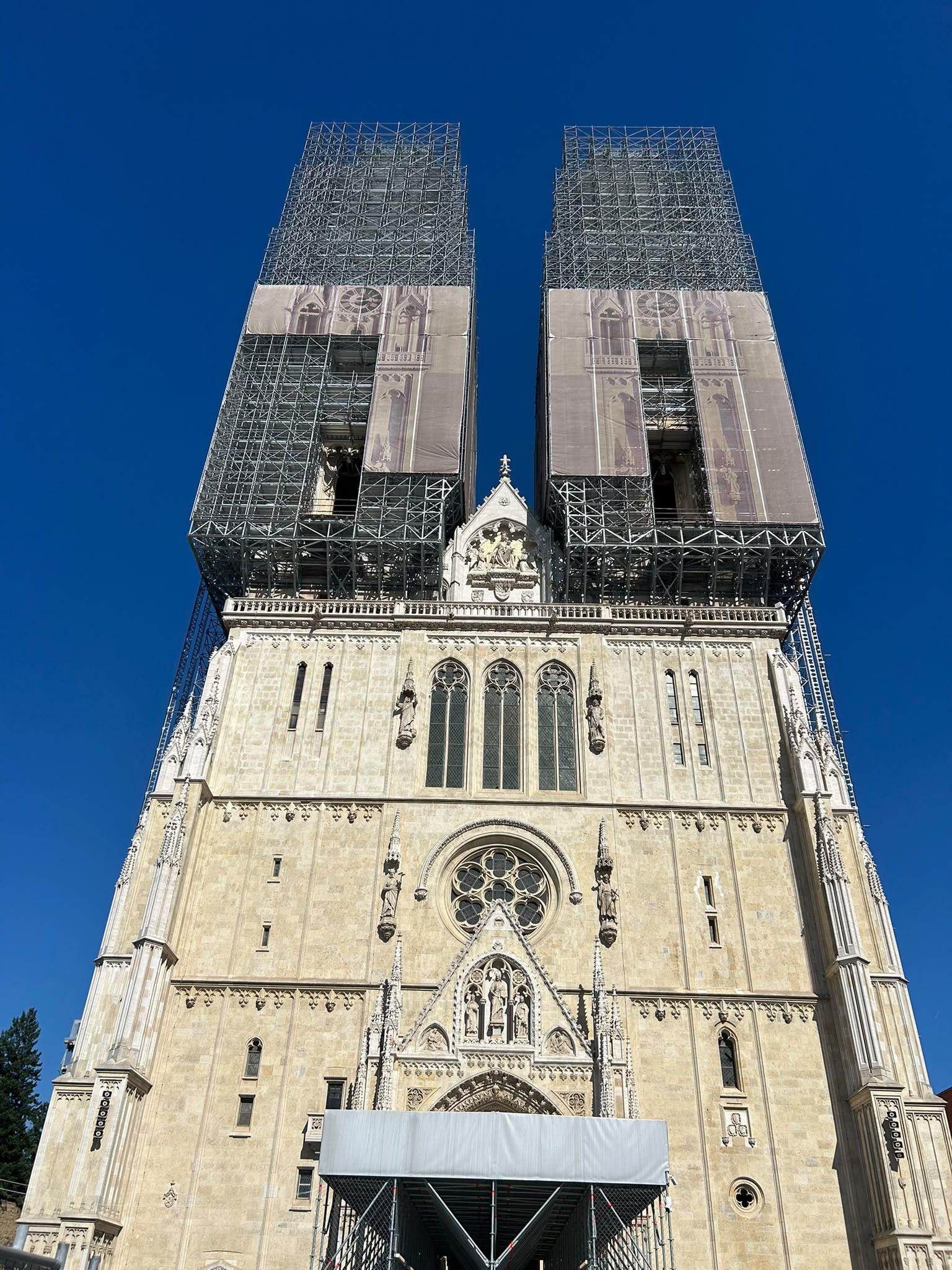
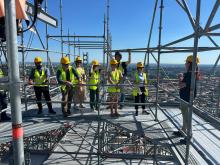
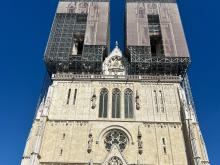
The conference concluded with a technical field visit to the Zagreb Cathedral, where participants examined the impacts of the 2020 earthquake and ongoing reconstruction and strengthening efforts aimed at preserving cultural heritage and improving seismic resilience.